When disaster strikes, having a well-thought-out family emergency plan can make the difference between chaos and coordinated response. Emergency preparedness isn't just about stocking supplies—it's about creating a comprehensive strategy that protects your loved ones and ensures everyone knows their role when it matters most.
Why Family Emergency Planning Matters
Natural disasters, medical emergencies, and unexpected crises can happen anywhere, anytime. According to emergency management experts, families who have discussed and practiced emergency procedures are significantly more likely to respond effectively during actual emergencies.
The key is preparation before you need it. When adrenaline is high and time is short, relying on memory and improvisation can lead to dangerous mistakes. A solid emergency plan removes guesswork and provides clear guidance for every family member.
Essential Components of a Family Emergency Plan
1. Emergency Contact Information
Create a comprehensive contact list that includes:
- Local emergency services (police, fire, medical)
- Out-of-state family contact (for coordination)
- Schools, workplaces, and daycare centers
- Insurance companies and medical providers
- Utility companies and service providers
Pro Tip:
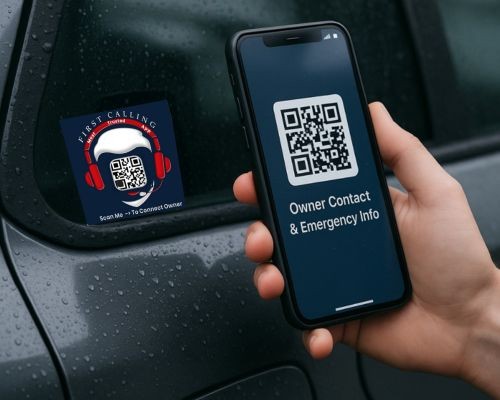
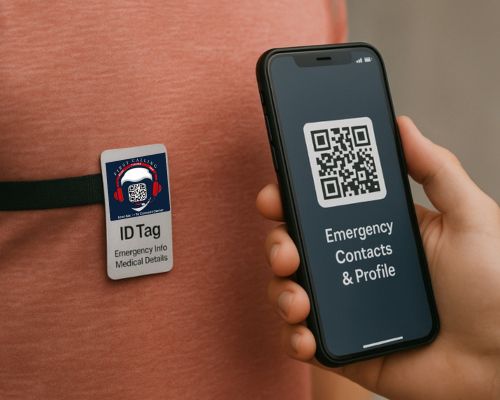
Store this information in multiple formats: printed copies, smartphone contacts, and on FirstCalling QR safety tags for instant access by first responders or family members.
2. Meeting Points and Evacuation Routes
Establish two meeting points:
- Primary: Near your home (e.g., neighbor's house, community center)
- Secondary: Outside your neighborhood (e.g., library, school, relative's home)
Plan multiple evacuation routes from your home and practice them regularly. Consider different scenarios: fire, flood, earthquake, or other emergencies that might block certain exits.
3. Communication Strategy
Develop a communication plan that includes:
- Designated out-of-area contact person
- Alternative communication methods (text, social media, email)
- Emergency radios with backup batteries
- Meeting schedules if phones aren't working
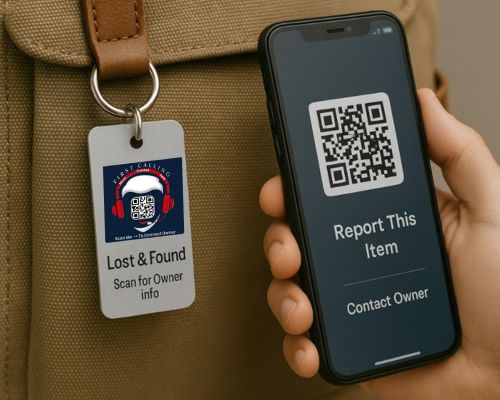
"In our family emergency plan, we use FirstCalling QR tags on our children's backpacks and our vehicle. During a recent evacuation due to wildfires, first responders had instant access to our emergency contacts and medical information. It provided incredible peace of mind knowing help could reach us immediately."
Building Your Emergency Kit
Every family should maintain emergency supplies for at least 72 hours of self-sufficiency. Here's what you need:
Water & Food
1 gallon of water per person per day; non-perishable food for 3+ days
First Aid & Medications
Comprehensive first aid kit; prescription medications; medical supplies
Tools & Supplies
Flashlights, batteries, radio, tools, duct tape, plastic sheeting
Important Documents
IDs, insurance papers, bank records, emergency plan copies
Special Considerations for Different Family Members
Children
Prepare age-appropriate emergency plans for children:
- Teach them your address, phone number, and emergency contacts
- Practice emergency procedures through games and drills
- Create comfort items for emergency kits (favorite toy, blanket)
- Equip them with FirstCalling QR safety tags for instant identification
Elderly Family Members
- Plan for mobility limitations and medical equipment needs
- Arrange for neighbors or family to check on them
- Ensure they have extra medications and medical supplies
- Program emergency numbers into speed dial
Pets
- Identify pet-friendly shelters or boarding facilities
- Maintain pet emergency kits with food, water, and supplies
- Keep carriers and leashes easily accessible
- Ensure pets have ID tags and microchips
Integrating Technology for Enhanced Safety
Modern emergency preparedness benefits greatly from smart technology integration:
QR Safety Tags: FirstCalling's QR safety solutions provide instant access to emergency information, medical data, and contact details. Place them on vehicles, children's items, and emergency kits for immediate identification and communication.
Mobile Apps: Download emergency apps for weather alerts, evacuation routes, and emergency services. Ensure devices stay charged with portable power banks.
Digital Backups: Store important documents and photos in cloud storage accessible from any device.
Practice Makes Perfect
Regular practice is essential for effective emergency response:
- Monthly Reviews: Update contact information and check emergency supplies
- Quarterly Drills: Practice evacuation routes and meeting procedures
- Annual Updates: Revise plans based on family changes and lessons learned
- Seasonal Preparation: Adjust plans for weather-specific risks in your area
Community Connections
Strong community ties enhance family emergency preparedness:
Connect with neighbors to create mutual support networks. Share emergency plans and resources. Participate in community emergency preparedness programs. Know your local emergency services and shelter locations.
Start Today!
Emergency preparedness doesn't have to be overwhelming. Start with the basics and build your plan over time.
Contact FirstCalling to learn how our QR safety solutions can enhance your family's emergency preparedness plan.